
Cabinet's ₹39,000 Crore Boost: How New Infra and ATF Initiatives Are Fueling Economic Resilience
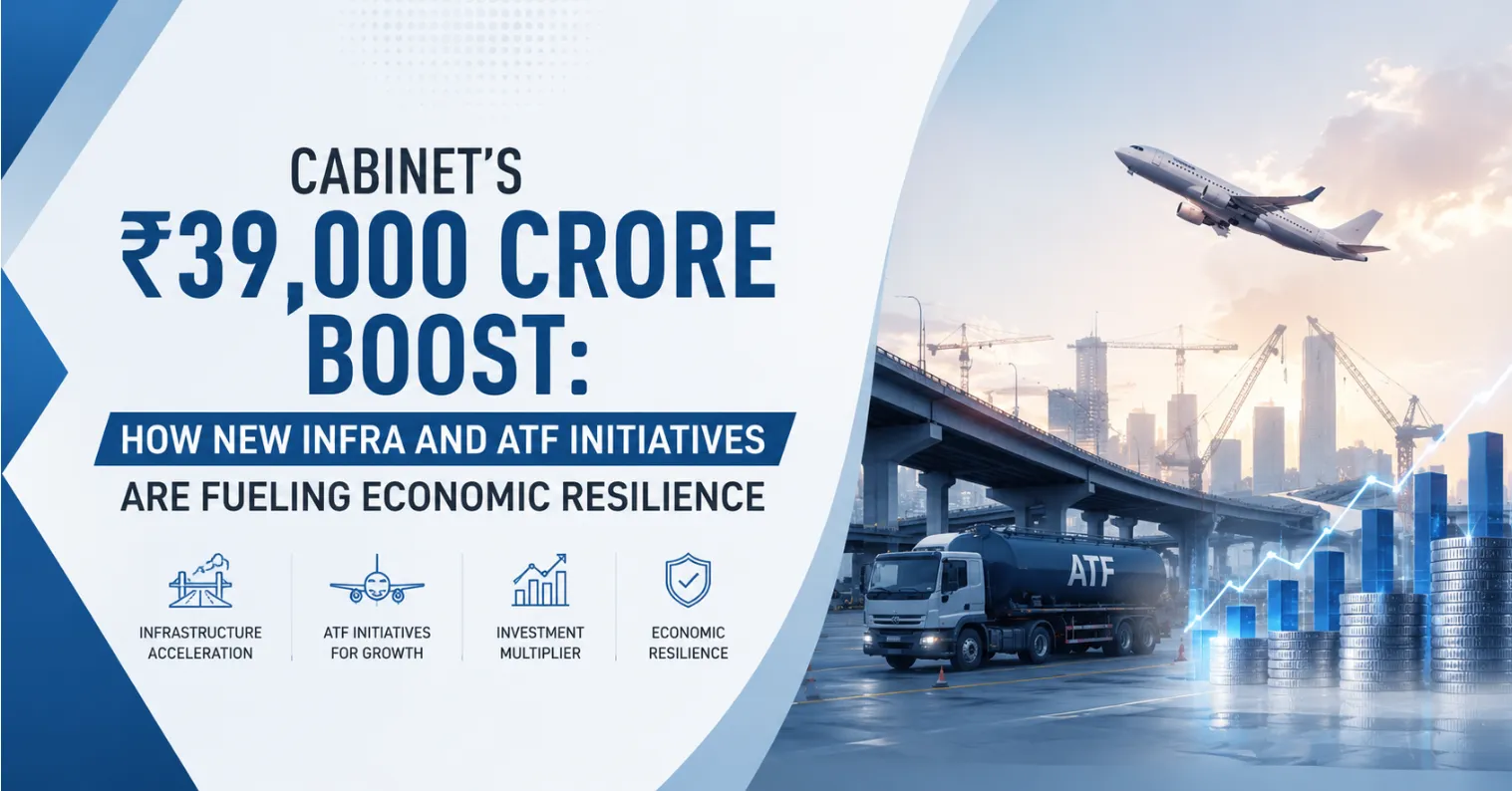
In a proactive step to bolster India's economic backbone amid global uncertainties, the Union Cabinet cleared a comprehensive package worth over ₹39,290 crore in early June 2026. This multi-pronged initiative spans highway development, aviation fuel price protection, and clean mobility solutions, directly addressing key pain points for businesses ranging from logistics operators to airlines and infrastructure developers.
At its core, the package reflects the government's continued focus on infrastructure as a growth multiplier. With over ₹24,000 crore earmarked for highway projects, the approvals target critical economic corridors. These investments promise faster connectivity, reduced transit times, and lower logistics costs, a big win for manufacturers, e-commerce players, and MSMEs that rely heavily on efficient supply chains.
One standout element is the push for a new coastal highway in Odisha, alongside other strategic road upgrades. In an era where just-in-time delivery defines competitiveness, such upgrades aren't just about concrete and asphalt; they're about unlocking productivity and making Indian businesses more agile in both domestic and export markets.
Shielding Aviation from Fuel Volatility
A significant slice of around ₹10,000 crore goes toward an Aviation Turbine Fuel (ATF) stabilization fund. This mechanism aims to cushion airlines from sharp swings in global crude prices, which have been exacerbated by West Asia tensions. For an industry still recovering from pandemic aftershocks and facing high operational costs, this support is timely.
Lower and more predictable fuel expenses could translate into stable airfares, higher passenger and cargo volumes, and renewed investor confidence in Indian aviation. Airport operators, ground handling firms, and tourism-linked businesses stand to gain indirectly as air travel becomes more resilient.
Clean Mobility and Pollution Control
The package also tackles urban air quality, particularly in the Delhi-NCR region, through schemes supporting the replacement of old trucks and buses. By promoting cleaner vehicles and better mobility options, the government is aligning environmental goals with economic ones. Reduced pollution means healthier workforces, fewer disruptions from smog-related restrictions, and long-term savings on health and compliance costs for businesses operating in major metros.
This clean mobility thrust complements broader efforts under initiatives like the India Semiconductor Mission and railway multi-tracking projects approved around the same period, painting a picture of coordinated infrastructure development.
Broader Economic Impact
Economists and industry leaders view this package as a smart hedge against external risks. Global headwinds from geopolitical tensions to commodity price fluctuations have made capital expenditure and supply chain planning challenging. By front-loading spending on high-multiplier sectors like roads and transport, the government is injecting momentum into construction, steel, cement, and engineering sectors, which have high backward linkages to employment and ancillary industries.
For the private sector, these announcements open fresh bidding opportunities and public-private partnership (PPP) avenues. Companies in EPC (engineering, procurement, and construction) space, renewable energy integrators for highways, and logistics tech providers are already positioning themselves to capitalize on the rollout.
Moreover, improved infrastructure directly supports the 'Make in India' and export ambitions by cutting the cost of doing business. Faster movement of goods can enhance India's competitiveness in global value chains, especially as businesses explore alternatives to strained international routes.
Challenges and the Road Ahead
While the allocations are impressive, successful execution will be key. Timely land acquisition, transparent tendering, and quality oversight will determine whether these projects deliver on time and within budget. Coordination between central and state agencies, along with active private sector participation, will make the difference between announcements and on-ground impact.
As India navigates a complex global environment, this ₹39,000 crore boost sends a clear signal: the focus remains firmly on building long-term resilience. For businesses, it’s an invitation to align strategies with these national priorities, whether through investing in logistics optimization, exploring infra-adjacent opportunities, or simply benefiting from a more robust economic ecosystem.
In the coming months, Prime Business Navigator will track the rollout of these projects and their real-world outcomes for Indian enterprises. Stay tuned for deeper analysis on sector-specific opportunities emerging from this push.