
Gautam Adani: Succession and Global Ambitions in Turbulent Times – The 2026 Reckoning
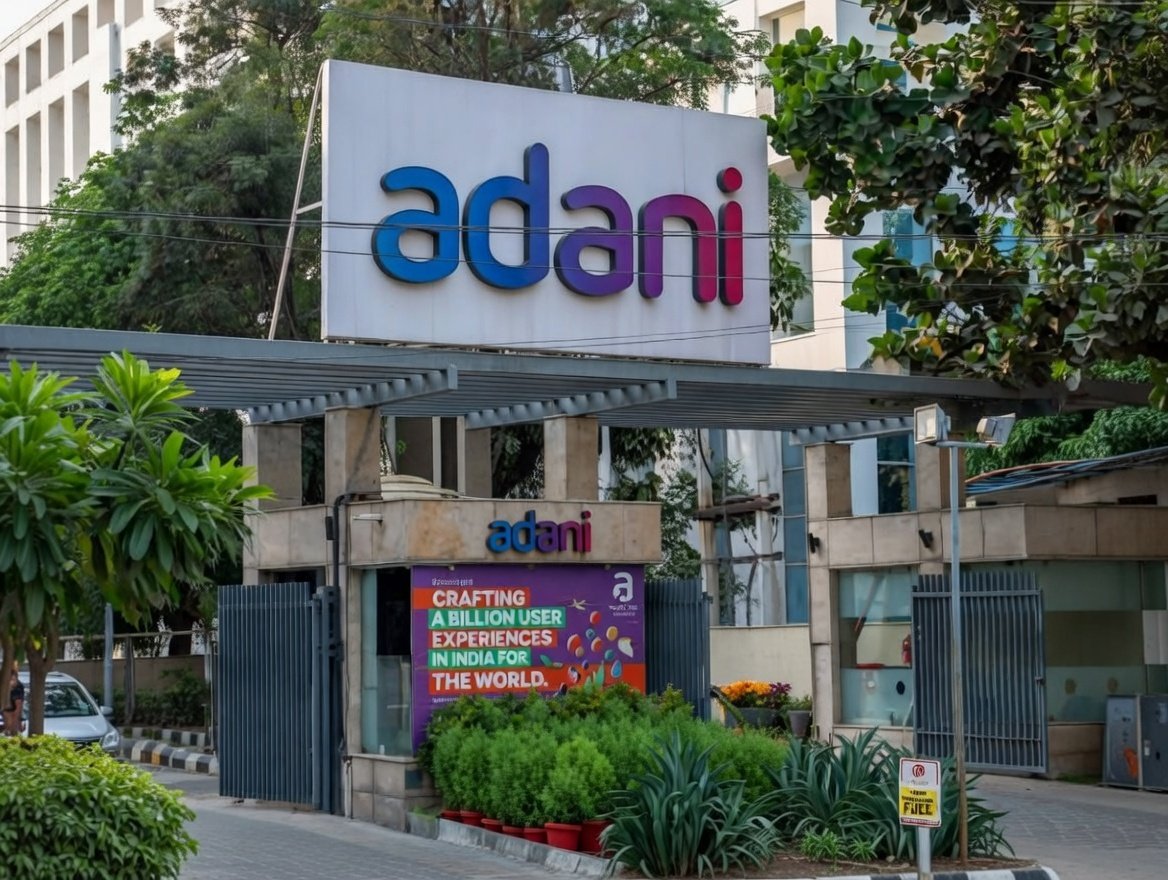
In the sprawling corporate headquarters of Adani Group in Ahmedabad, amid the hum of servers and the gleam of solar panels powering the complex, Gautam Adani surveys a map dotted with ports, airports, and data centers stretching from Mundra to Melbourne. At 63, the self-made billionaire; once a diamond sorter who dropped out of college; embodies India's relentless drive toward a $10 trillion economy. Yet, as 2026 unfolds, Adani's empire faces its sternest test: a U.S. Securities and Exchange Commission (SEC) fraud probe that has shaved billions from his fortune, scrutiny over family investments, and the delicate pivot to succession. Amid these storms, Adani's resilience not only underscores his personal tenacity but also highlights infrastructure's pivotal role in fueling India's growth narrative.
Adani's journey from a modest trader in 1988 to helming a conglomerate valued at over $200 billion is the stuff of business folklore. Starting with commodities trading, he built Adani Enterprises into a behemoth spanning ports, power, green energy, and airports. By early 2026, the group's revenue projections for FY26 hover around ₹3.5 lakh crore, driven by aggressive expansions in renewables and digital infrastructure. But the past year has been a rollercoaster. Adani's net worth, which peaked at over $100 billion in 2022, plummeted $14.5 billion in recent months amid market volatility tied to the SEC allegations, settling at approximately $59 billion and dropping him to around the 30th spot on global billionaire lists. This decline echoes the 2023 Hindenburg Research report's aftermath, but Adani has bounced back before, rebuilding through strategic asset sales and fresh capital infusions.
The SEC shadow looms largest. In November 2024, U.S. prosecutors indicted Adani and seven others, including his nephew Sagar Adani, for allegedly orchestrating a $265 million bribery scheme to secure solar power contracts in India. The charges claim violations of U.S. securities laws tied to a $750 million bond offering by Adani Green Energy, misleading investors about anti-bribery compliance. Adani Group has vehemently denied the allegations, calling them baseless, and in January 2026, Adani agreed to accept service of summons, paving the way for the case to proceed after procedural hurdles. The probe triggered a $12.5 billion market cap erosion for Adani firms in a single day, yet the conglomerate's Q3 FY26 results showed resilience: Adani Enterprises reported a record quarterly profit of ₹5,630 crore, bolstered by one-time gains from asset monetization.
Adding fuel to the fire are revelations from bank documents exposing $3 billion in secret investments in Adani Group stocks by family associates between 2013 and 2018- far exceeding previously reported figures. These offshore dealings, routed through entities in Mauritius and the UAE, raise questions about stock valuation manipulations pre-Hindenburg. For mid-career professionals (35-55) navigating India's corporate landscape, this saga is a cautionary tale of global scrutiny in an interconnected world, where U.S. regulators can upend local empires.
Yet, Adani's global ambitions remain undimmed. The group announced ₹1.1 lakh crore ($13 billion) in infrastructure investments for 2026, focusing on green hydrogen, data centers, and airports. Key projects include the redevelopment of Mumbai's Dharavi slum into a $4.1 billion housing hub and a $100 billion push into AI-ready data centers, positioning Adani as a frontrunner in India's digital economy. Overseas, acquisitions like Australia's Carmichael coal mine (despite environmental backlash) and stakes in Israeli ports underscore his vision of a "borderless" business. For young entrepreneurs (22-35), Adani's playbook leveraging government ties for mega-projects, offers lessons in scaling amid policy winds.
Succession planning adds another layer of intrigue. With Adani stepping back from daily operations post-2021 heart surgery, the baton is passing to his sons Karan (CEO of Adani Ports) and Jeet (overseeing airports), alongside nephews Pranav and Sagar Adani. This family-centric approach mirrors Indian conglomerates like Reliance, but the SEC involvement casts a shadow over Sagar, implicated in the probe. Analysts speculate a professional board infusion to bolster governance, essential for sustaining investor confidence as the group eyes more international listings.
In turbulent times, Adani's story is emblematic of India's economic paradox- rapid growth shadowed by governance concerns. His group's contributions to infrastructure, employing over 100,000 and powering 10% of India's electricity, are undeniable drivers of national progress. As Bengaluru-based professionals like you, Ayantika, witness the city's transformation through Adani-backed airports and data hubs, the tycoon's resilience inspires. Yet, with the SEC case advancing, 2026 could define whether Adani's ambitions soar or stumble. For conglomerate leaders, the lesson is clear: In a global arena, transparency isn't optional, it's the foundation of enduring legacy.