Gen Z Overtakes Boomers in New Business Starts with AI
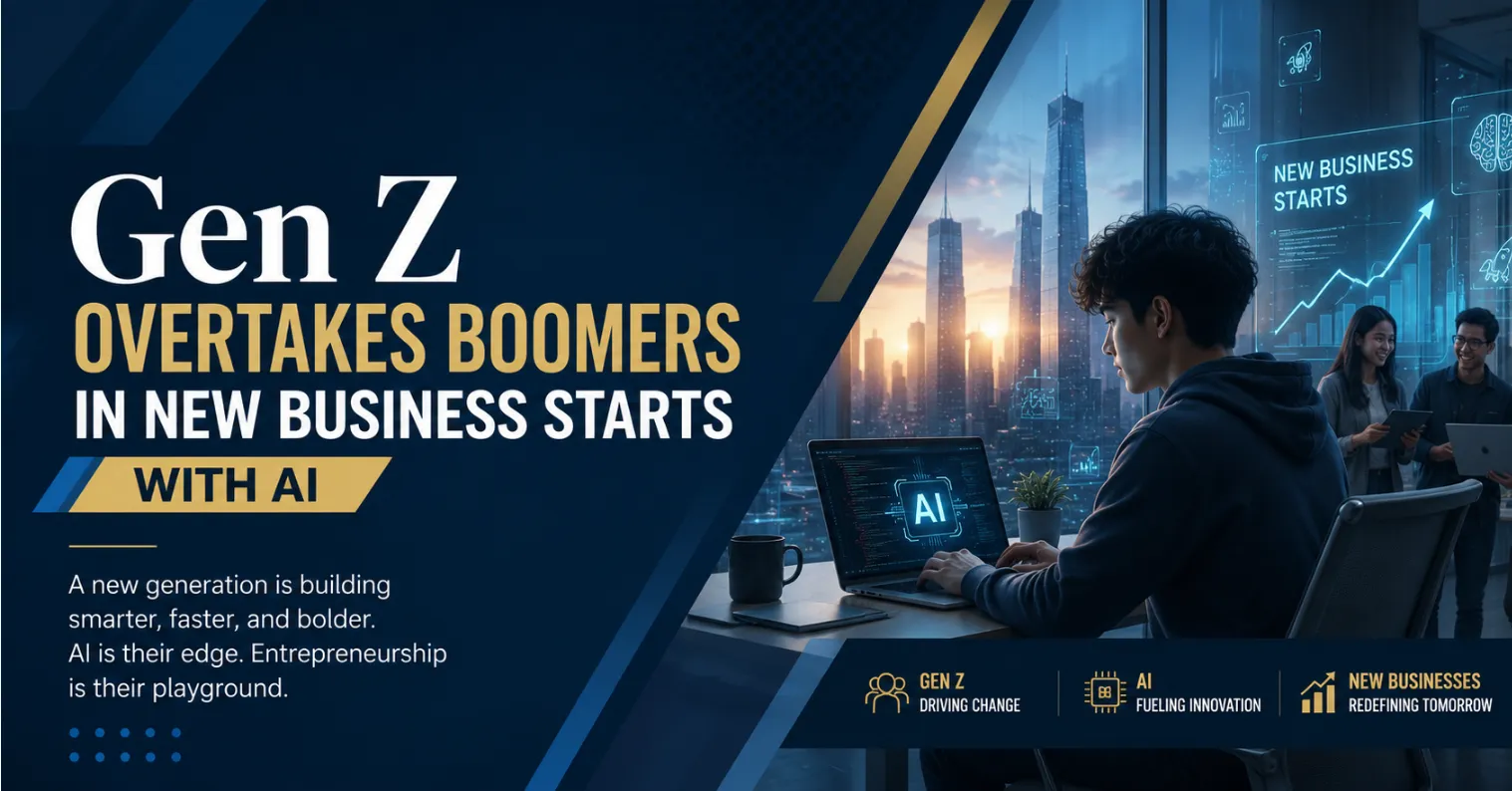
In the bustling startup hubs of India and beyond, a quiet but powerful shift unfolded through the first half of 2026. For the first time, Gen Z founders edged past Baby Boomers in the race to launch new businesses, accounting for 9% of new starts compared to just 5% for the older generation. At the heart of this change sat artificial intelligence, not as a distant buzzword, but as a practical accelerator that let young minds turn concepts into ventures with remarkable speed.
Take the story of young teams huddled over laptops in Bengaluru co-working spaces or college dorms in smaller cities. One 22-year-old engineering graduate, fresh out of campus, used AI to prototype a simple inventory tool for local kirana stores. What once might have taken months of coding and testing now came together in weeks. He fed market data into generative models, refined features through quick iterations, and launched a basic version that landed early customers within days. His journey mirrored a broader pattern: 71% of Gen Z entrepreneurs leaned on AI during the launch phase, compared to 42% of Baby Boomers.
Across the Atlantic and in emerging markets alike, similar tales emerged. A group of friends in their early twenties spotted gaps in personalized wellness tracking. They turned to AI assistants to draft business plans, generate mock interfaces, and even simulate customer feedback loops. The result was a lightweight app that gained traction faster than traditional routes would allow. These weren't isolated wins. Reports from the period highlighted how AI lowered barriers that once favored experience and capital over fresh thinking.
The numbers painted a clear picture. Data tracking new business formations showed Gen Z pulling ahead, driven by comfort with tools that compressed timelines dramatically. Where previous generations might have spent years refining ideas through trial and error, young founders experimented rapidly—building MVPs, analyzing early metrics, and pivoting with data-backed confidence. One standout example involved a climate tech side project that evolved into a funded pilot after AI helped model environmental impacts and potential revenue streams in record time.
This momentum reflected deeper changes in how work and opportunity looked in 2026. Gen Z entered the scene already fluent in digital workflows, treating AI as a collaborator rather than a replacement. Surveys from the period captured their rapid adoption: nearly three-quarters used AI daily for tasks ranging from learning new skills to managing stress and spotting career openings. In entrepreneurship, this translated into more agile launches across sectors like quick commerce extensions, creator tools, and niche service platforms.
Stories from Y Combinator-backed Indian startups and independent hustles echoed the same theme. Founders in their early to mid-twenties shared how AI helped them navigate everything from initial validation to early marketing, often without large teams or hefty budgets. One young founder building a hyperlocal discovery platform moved from concept to working prototype by leveraging AI for code suggestions and user interface designs, drawing attention from mentors and early backers.
As June 2026 drew to a close, the landscape felt different. Gen Z's edge wasn't just about starting more businesses, it highlighted a new rhythm of innovation where speed, iteration, and intelligent tools reshaped the entry barriers. These young entrepreneurs brought fresh perspectives to persistent challenges, weaving technology into solutions that felt intuitive for their generation. Their progress added vibrant threads to India's evolving startup tapestry, signaling that the next chapter of business creation belonged increasingly to those who grew up alongside AI.
In boardrooms, accelerators, and late-night brainstorming sessions, the evidence mounted: a generational handover was underway, powered by tools that amplified youthful drive and creativity. The businesses taking shape today carried the unmistakable imprint of this AI-native approach, promising new energy for the broader economy.