
Global Supply Chain Recovery Accelerates as Shipping Costs Normalize
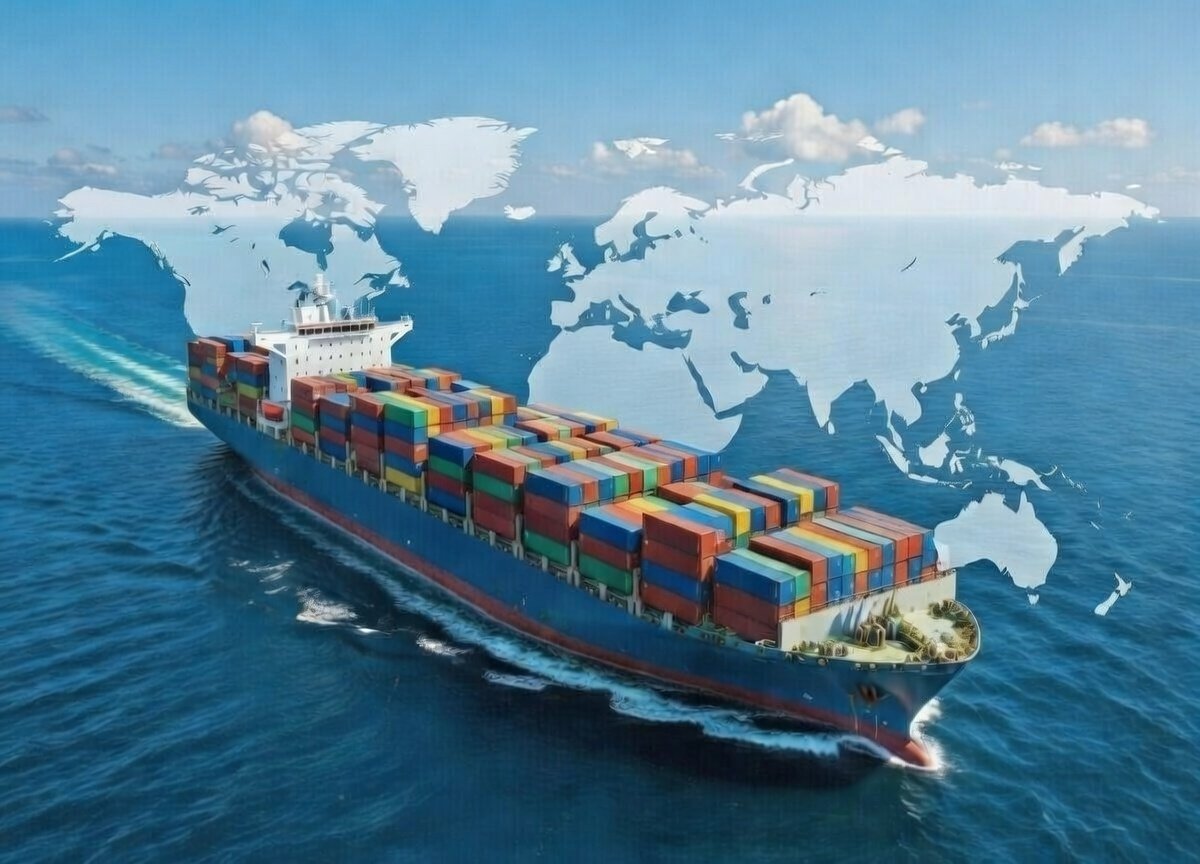
In the bustling ports of Rotterdam and Los Angeles, container cranes hum with renewed efficiency, unloading shipments that once languished in queues amid pandemic chaos. As we enter 2026, the global supply chain battered by COVID-19 disruptions, geopolitical tensions, and inflationary spikes shows unmistakable signs of healing. Shipping costs, which soared to dizzying heights in 2021-2022, are finally normalizing, offering a lifeline to manufacturers, retailers, and consumers alike. But this recovery isn't a straight path; it's a nuanced evolution marked by cautious optimism, structural shifts, and lingering vulnerabilities.
The headline story is one of stabilization. According to recent data, ocean freight rates are moderating after years of volatility. The Drewry World Container Index fell 1% to $1,933 per 40-foot equivalent unit in mid-February 2026, reflecting a broader trend of easing pressures. This decline stems from increased capacity entering the market projected at 3.7% growth for the year, outpacing demand, which has softened as inventories normalize post-2025 surge. For businesses reliant on trans-Pacific routes, this means potential savings of hundreds of dollars per container, a welcome relief after the tariff-laden turbulence of recent years.
Yet, as a seasoned observer of global trade flows, I see beyond the numbers. The recovery accelerates not just through lower costs but through enhanced reliability. Shippers, scarred by Red Sea disruptions and Panama Canal droughts, now prioritize certainty over rock-bottom prices. In 2026, effective capacity remains constrained by ongoing detours around conflict zones, absorbing tonnage and preventing a full rate collapse. This "managed buyer's market" sees carriers deploying tactics like blank sailings to maintain rate floors, ensuring stability amid oversupply.
Sector-specific trends paint a vibrant picture. In ocean shipping, East-West lanes face downward pressure, with rates likely flat or declining except during seasonal peaks or unforeseen disruptions. U.S. container imports rebounded to 2.32 million TEUs in January 2026, signaling demand resilience despite policy uncertainties. Meanwhile, trucking grapples with capacity shrinkage: U.S. carrier authorities are 12% below 2022 peaks, driving spot rates up 4% from 2024 averages and foreshadowing double-digit hikes in 2026. Last-mile delivery costs continue climbing, pressuring e-commerce giants to optimize networks.
Geopolitics looms large, accelerating supply chain fragmentation. Trump's tariff regime persists, pushing diversification from China to alternatives like Vietnam and Mexico. Economic turbulence slowing demand and rising costs- tests resilience, with cost optimization emerging as a top priority. Rail freight normalizes, but potential mergers like Union Pacific-Norfolk Southern could reshape intermodal dynamics.
For Indian businesses, this global thaw offers opportunities. As exporters to Europe and the U.S., lower ocean rates could boost competitiveness in textiles and electronics. Yet, domestic challenges- rising fuel costs and infrastructure bottlenecks- demand agile strategies. AI-driven forecasting and nearshoring will be key, as volatility becomes "a feature, not a phase."
In conclusion, 2026 marks a pivotal acceleration in supply chain recovery, with normalizing costs paving the way for growth. But as ports hum and ships sail smoother seas, the lesson is clear: True resilience lies in adaptability, not just affordability. For executives aged 22-55 navigating this landscape, the time to fortify networks is now- before the next wave hits.