
Groww: Democratizing Investments for India's Young Savers – The Post-IPO Reckoning
In the glow of a Bengaluru co-working space at 7:30 AM, a 26-year-old software engineer named Priya sips her filter coffee and swipes open the Groww app. Her portfolio, once a modest ₹15,000 in mutual funds, now shows a 42% return on a diversified mix of Nifty ETFs and blue-chip stocks. "I started with ₹500 SIPs during lockdown," she says, "and Groww made it feel like I wasn't gambling; it was learning." This isn't a one-off story. In early 2026, as India's retail investing boom shows no signs of slowing, Groww has emerged as the undisputed champion of the everyday investor. But with its blockbuster IPO behind it and the market's gaze sharper than ever, the question lingers: Can this fintech darling sustain its meteoric rise in a maturing ecosystem?
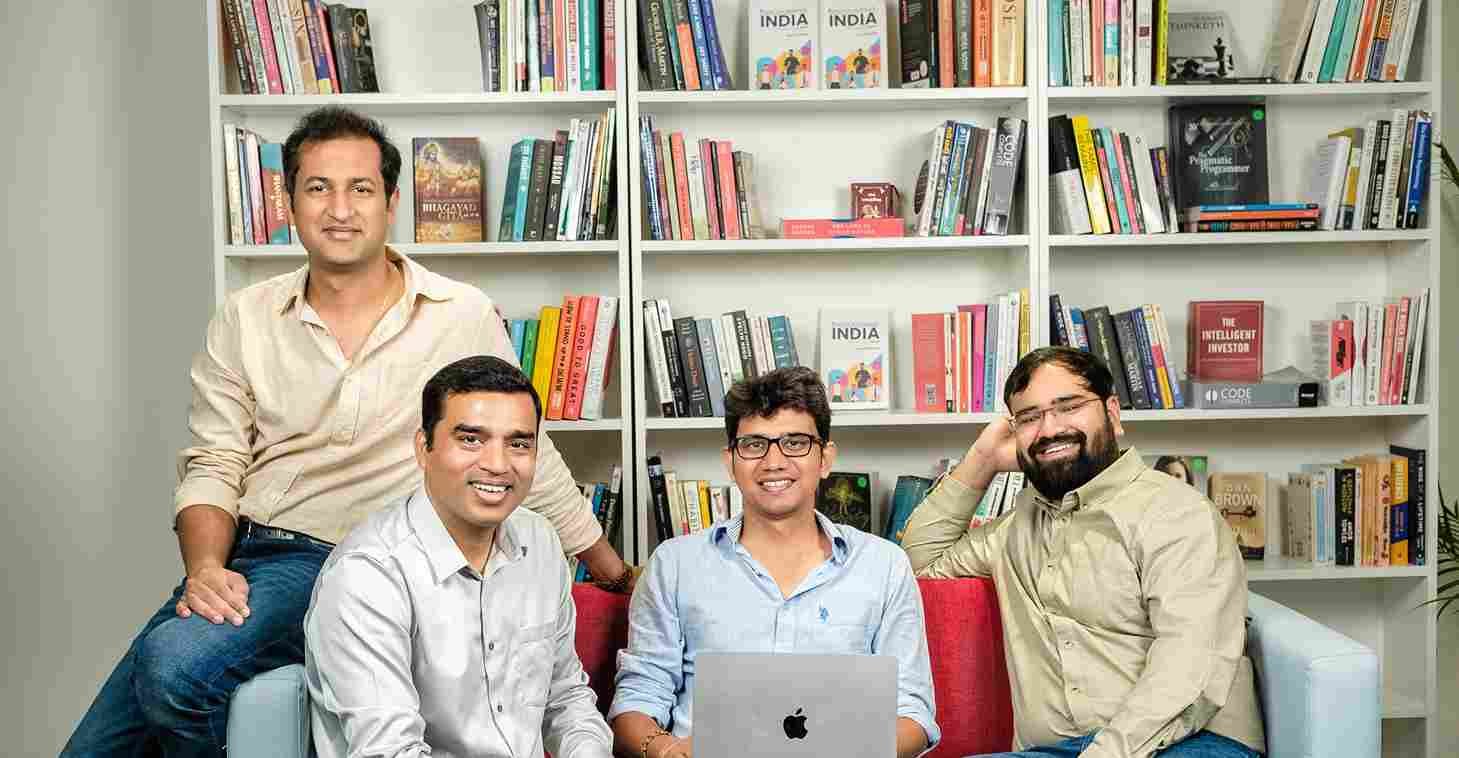
For readers who have followed Groww since its quiet 2016 launch, when it was just another app helping millennials skip the paperwork of mutual fund investments- the transformation is nothing short of remarkable. Co-founders Lalit Keshre (CEO), Harsh Jain, Ishan Bansal, and Neeraj Singh, all ex-Flipkart executives, spotted a glaring gap: India's 1.4 billion population had just 2% participating in capital markets. Their mission? Make investing as simple as ordering from Swiggy. What began as a direct mutual fund platform has evolved into a full-stack wealth super-app: stocks, ETFs, fixed deposits, gold, international funds, and even margin trading and personal loans.
The numbers tell the tale of disciplined scale. In its November 2025 IPO, the most anticipated fintech listing of the year, Groww's parent, Billionbrains Garage Ventures, raised ₹6,632 crore at a price band of ₹95–100 per share. The debut was electric: Shares jumped 24% on listing day, pushing the valuation to $8.6 billion. By February 2026, the stock has stabilized but remains a market favorite, trading at a premium that reflects investor confidence in its 26.6% share of NSE active clients.
As of Q3 FY26 (ended December 2025), Groww reported 20 million+ users, with active clients crossing 16 million- a 35% year-on-year jump. Revenue from operations hit ₹1,216 crore in the quarter, up 25% YoY, while adjusted profits climbed despite a one-off dip. For FY25, the full picture was even stronger: Revenue touched ₹4,056 crore (up from ₹2,609 crore in FY24), with net profit at ₹1,824 crore. Operating margins expanded to 59%, a testament to the platform's software-like efficiency, most costs are fixed, and incremental users flow straight to the bottom line.
What sets Groww apart isn't just volume; it's the product obsession. The app's interface is a masterclass in simplicity: Clean dashboards, bite-sized educational videos ("Groww School"), and zero-commission equity delivery trades. AI-driven insights suggest personalized portfolios, while features like "Pledge Holdings" let users unlock instant liquidity for intraday trades. In 2025, the company doubled down on lending. Its margin trading facility (MTF) book crossed ₹10,000 crore and acquired wealth-tech firm Fisdom for $150 million to build a premium "W" platform for HNIs. International mutual funds, now a key draw, allow users to dip into global markets without the hassle of overseas accounts.
For the 22–35 demographic, India's demographic dividend in action- Groww is more than an app; it's a financial rite of passage. Over 60% of its users are under 30, and 81% hail from beyond the top six metros. In Tier-2 and Tier-3 cities, where a bank branch might feel intimidating, Groww's vernacular support and micro-investment options (as low as ₹10) have democratized wealth creation. The ripple effects are profound: 50,000+ jobs created in tech, operations, and customer support, plus a surge in financial literacy that regulators quietly applaud.
Yet, 2026 brings headwinds. SEBI's tighter F&O rules- raising lot sizes and curbing speculative trading- have dented derivatives revenue, which once powered growth. Competition remains fierce: Zerodha's efficiency, Upstox's aggressive pricing, and Angel One's legacy network all nip at its heels. Regulatory scrutiny on data privacy and advisory practices is intensifying, and the IPO proceeds (partly for cloud infrastructure) must now deliver on promises of international expansion.
As a senior editor who's tracked India's fintech evolution from Paytm's highs to the 2022 funding winter, I see Groww's story as emblematic of the sector's maturation. Post-IPO, the focus has shifted from user acquisition to deepening engagement. Affluent users (growing 52% YoY) now hold 34% of assets. Recent moves, like the ₹580 crore strategic investment from State Street Global Advisors into its AMC arm in January 2026, signal ambitions to become a full-fledged asset manager.
In the end, Groww isn't just riding India's retail investing wave; it's helping shape it. For professionals in their 30s and 40s juggling EMIs and retirement goals, it's the quiet enabler of financial independence. For the next generation of founders, it's proof that simplicity, scale, and substance can coexist. As Lalit Keshre put it in the post-listing earnings call: "We're not here for the trade. We're here for the long-term wealth of Bharat." In a volatile 2026 market, that ethos might just be the ultimate edge.
Watch this space. The real test for Groww begins now; not in the listing frenzy, but in the everyday swipes of millions building their futures, one SIP at a time.
credit: Groww - Online Demat, Trading and Direct Mutual Fund Investment in India