Rail and Road Expansion: Multi-Tracking Projects and Coastal Highways Driving Connectivity
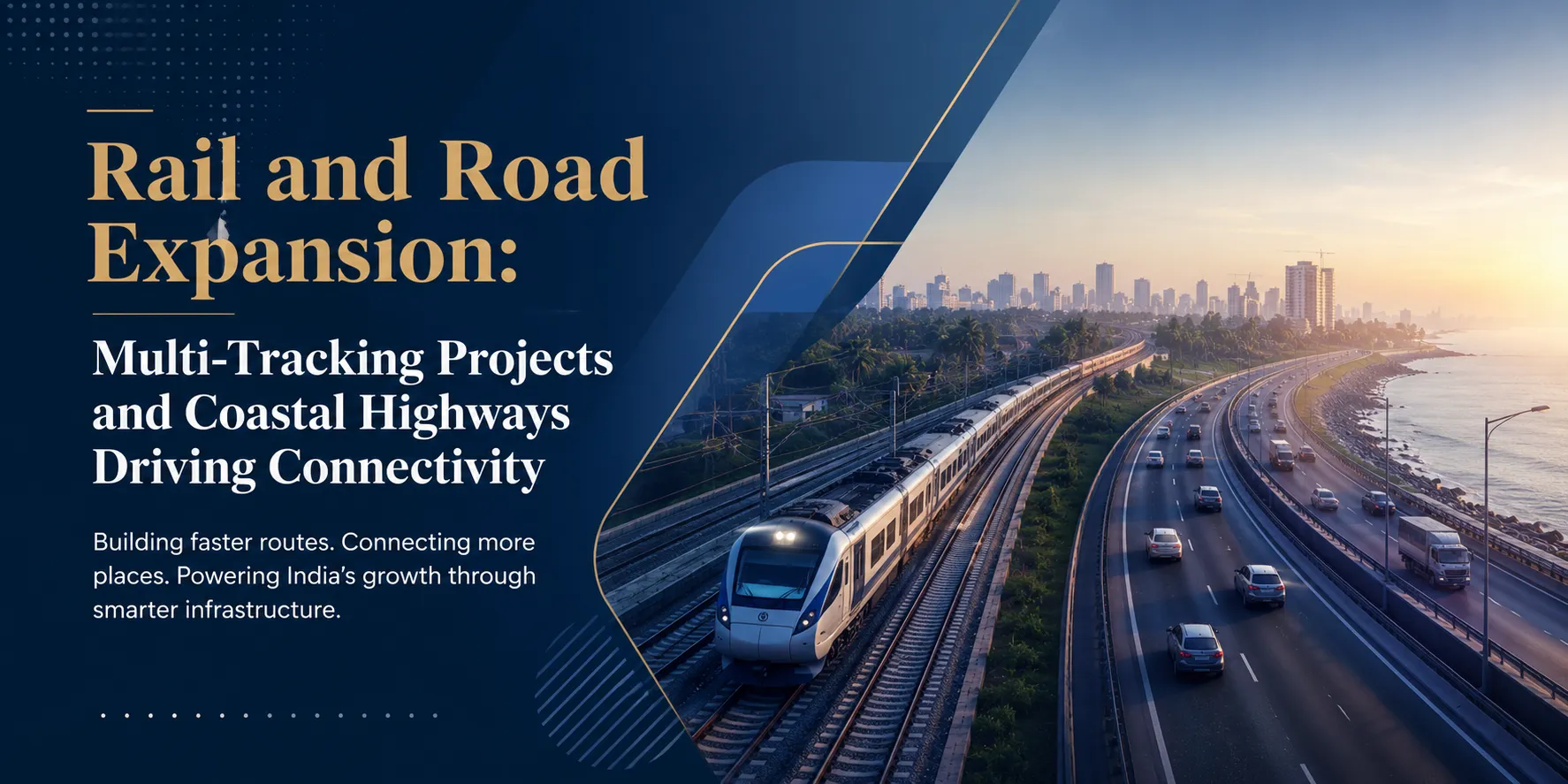
India’s infrastructure drive continues to gain momentum, with the Union Cabinet delivering a significant boost in June 2026 through key approvals for rail multi-tracking and coastal highway projects. These initiatives promise to enhance connectivity, reduce logistics costs, and unlock growth potential in underserved regions; a timely move as businesses navigate global uncertainties and domestic demand recovery.
At the heart of the latest push are three major multi-tracking railway projects that will add nearly 900 km to the existing network. These upgrades focus on critical corridors, improving passenger mobility and freight efficiency while linking prominent tourist destinations and commodity-producing areas. By decongesting busy routes and enabling higher train speeds, the projects align perfectly with the government’s vision of a modern, efficient transport ecosystem under initiatives like Gati Shakti.
Simultaneously, the Cabinet has cleared the construction of a new coastal highway from Rameshwar to Paradeep in Odisha, with an estimated investment of around ₹8,300 crore. This strategic link along the eastern coastline is expected to strengthen port connectivity, facilitate industrial movement, and support coastal economic zones that are increasingly vital for trade and fisheries-related businesses.
Why This Matters for Indian Businesses
Improved rail and road infrastructure directly translates into lower transportation costs and faster turnaround times, two persistent pain points for manufacturers, exporters, and supply chain operators. For instance, multi-tracking on key lines can significantly cut delays in moving goods like coal, iron ore, and agricultural produce, benefiting sectors from steel and power to FMCG.
The coastal highway in Odisha is particularly noteworthy. It will not only boost regional tourism but also create synergies with ports, potentially attracting investments in logistics parks, warehousing, and light manufacturing. In a month where global supply chain disruptions from West Asia remain a concern, such domestic enhancements provide much-needed resilience and cost efficiencies for Indian enterprises.
Experts highlight that these projects are part of a broader strategy to bridge infrastructure gaps. Enhanced connectivity to tourist spots could give a fresh impetus to hospitality and related services, while better freight corridors support the ‘Make in India’ and export ambitions. For SMEs in particular, reduced logistics bottlenecks mean easier market access and improved competitiveness.
Broader Economic Impact and Job Creation
These developments come with substantial multiplier effects. Construction phases are expected to generate thousands of direct and indirect jobs in engineering, materials, and ancillary services. Once operational, the improved networks could spur industrial clusters along the routes, driving real estate development, skill enhancement, and local entrepreneurship.
From an investment perspective, such government-backed infra projects often open doors for private participation through public-private partnerships (PPPs), EPC contracts, and maintenance opportunities. With India aiming for robust GDP growth, timely execution of these projects will be crucial in sustaining momentum in capital expenditure and attracting both domestic and foreign capital.
Challenges and the Road Ahead
While the approvals signal strong intent, successful implementation will depend on factors like land acquisition, environmental clearances, and timely funding. Coordination between central and state agencies, along with adoption of modern technologies for project monitoring, will be key to avoiding past delays.
As monsoon seasons approach in several regions, execution timelines will need careful management. However, the government’s proactive stance in June 2026 demonstrates a continued commitment to long-term infrastructure-led growth, even amid global headwinds.
Strategic Takeaways for Businesses
- Logistics Players: Realign supply chains to leverage new routes for faster, cheaper movement.
- Tourism & Hospitality: Explore opportunities in emerging destinations now better connected by rail.
- Investors & Contractors: Monitor tenders and PPP models arising from these projects.
- Regional Economies: States like Odisha and those along the new rail corridors stand to benefit disproportionately, a cue for targeted business expansion.
In summary, the June 2026 Cabinet approvals for rail multi-tracking and coastal highways represent more than just concrete and tracks they are enablers of inclusive growth, promising to knit India’s economic fabric tighter. As these projects roll out, Prime Business Navigator will continue tracking their progress and impact on Indian businesses. For stakeholders looking to stay ahead, now is the time to align strategies with this expanding connectivity backbone.