
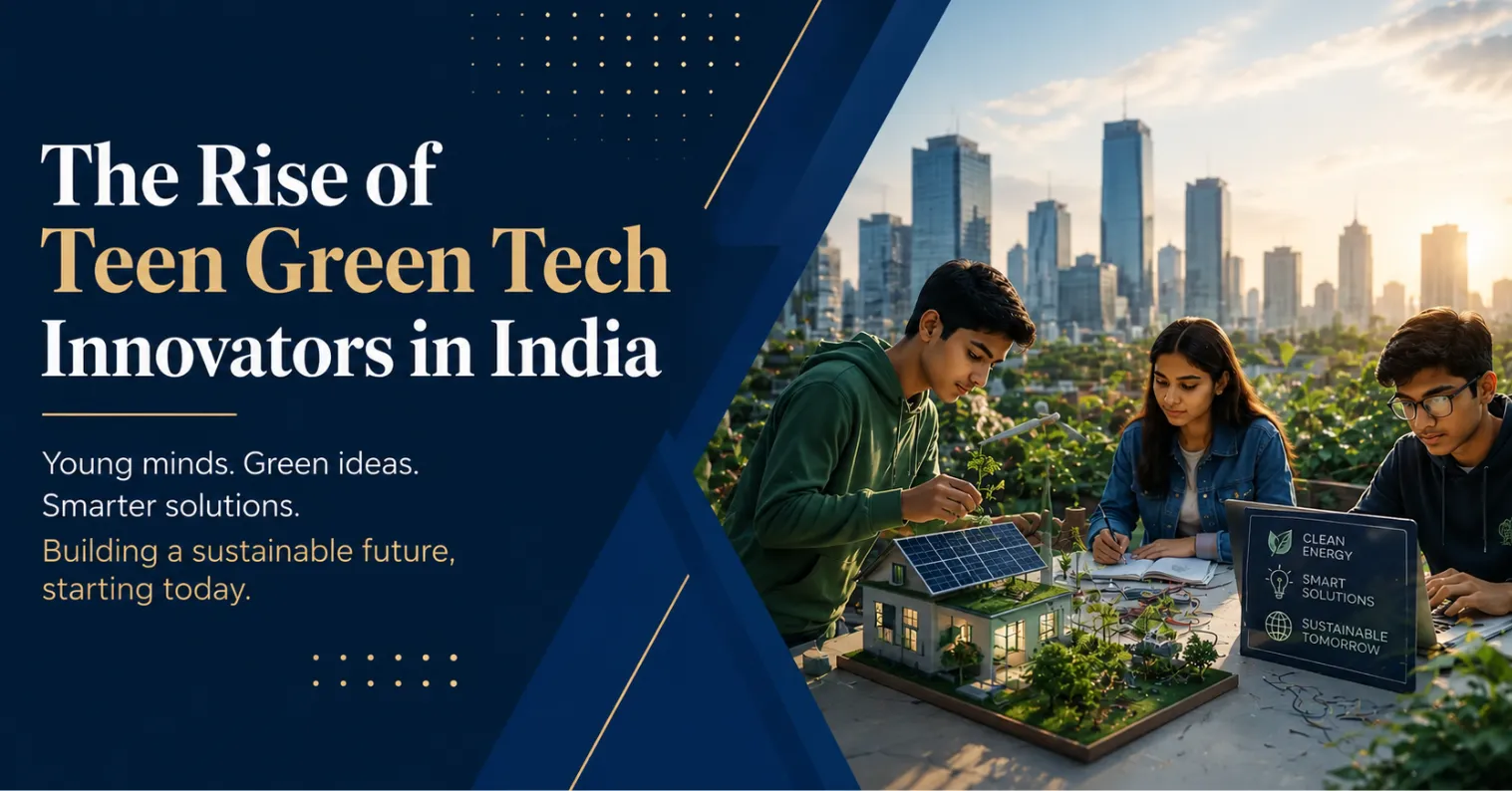
In the bustling lanes of Indian cities and towns, a quiet revolution has been unfolding among teenagers who see environmental challenges not as distant problems but as puzzles waiting for fresh solutions. This June, their stories broke through the noise, reminding everyone that innovation often sparks from the simplest observations and the boldest youthful curiosity.
Take the trio from India who stepped onto the global stage and claimed The Earth Prize 2026. Sixteen-year-olds Vivaan Chhawchharia, Ariana Agarwal, and Avyana Mehta developed Plas-Stick, a biodegradable powder crafted from tamarind seeds. The idea took root when they noticed how communities, especially in rural areas, relied on shared plastic containers for drinking water without advanced filtration systems. Their innovation binds microplastics into clumps that a simple magnet can pull out—no electricity, no complex machinery, just clever use of what nature already provides. Becoming the first Indian team to win the prestigious prize, their journey highlighted how everyday ingredients could tackle one of the planet's most pervasive pollutants.
Meanwhile, across the country, the Youth Co:Lab National Innovation Challenge 2026, backed by UNDP India and partners, shone a light on six standout youth-led ventures tackling sustainability head-on. From circular economy ideas turning agricultural residue into packaging foam to innovations recovering raw materials from decommissioned solar panels, these young founders demonstrated a keen eye for turning waste streams into value. One project focused on biodegradable drinking straws made from aquatic grasses, while others explored sustainable textiles and food systems. Selected from over 350 applications spanning 28 states, the winners and runners-up each received seed grants and ecosystem support, propelling their ideas forward at a time when India's renewable push creates both opportunity and responsibility.
In Surat, long known for its entrepreneurial spirit in textiles and gems, another teenager has been quietly building green energy solutions that align with the city's growing solar footprint. These stories echo a broader pattern seen this month: young innovators blending local resources with forward-thinking tech to address everything from water purity to energy waste. Their work arrives as India scales renewable installations rapidly, bringing new questions about what happens when panels reach the end of their life.
What stands out in these June narratives is the grounded creativity. These teens started not in gleaming labs but from real-world glimpses—shared water jars, farm leftovers, retiring solar equipment—and turned them into tangible prototypes. Their recognition through platforms like The Earth Prize and Youth Co:Lab underscores a shift where the next generation isn't just inheriting environmental duties but actively rewriting the playbook with ingenuity rooted in India's own abundance.
As these young innovators continue refining their solutions, their paths offer glimpses into a future where green tech feels less like a distant industry and more like a natural extension of youthful problem-solving. In boardrooms and policy circles alike, their stories are sparking conversations about nurturing such talent early, ensuring India's sustainability journey carries the fresh perspective these teens bring to the table.