Wellness Coaching Boom: Gen Z Turning Mindfulness into Micro-Businesses
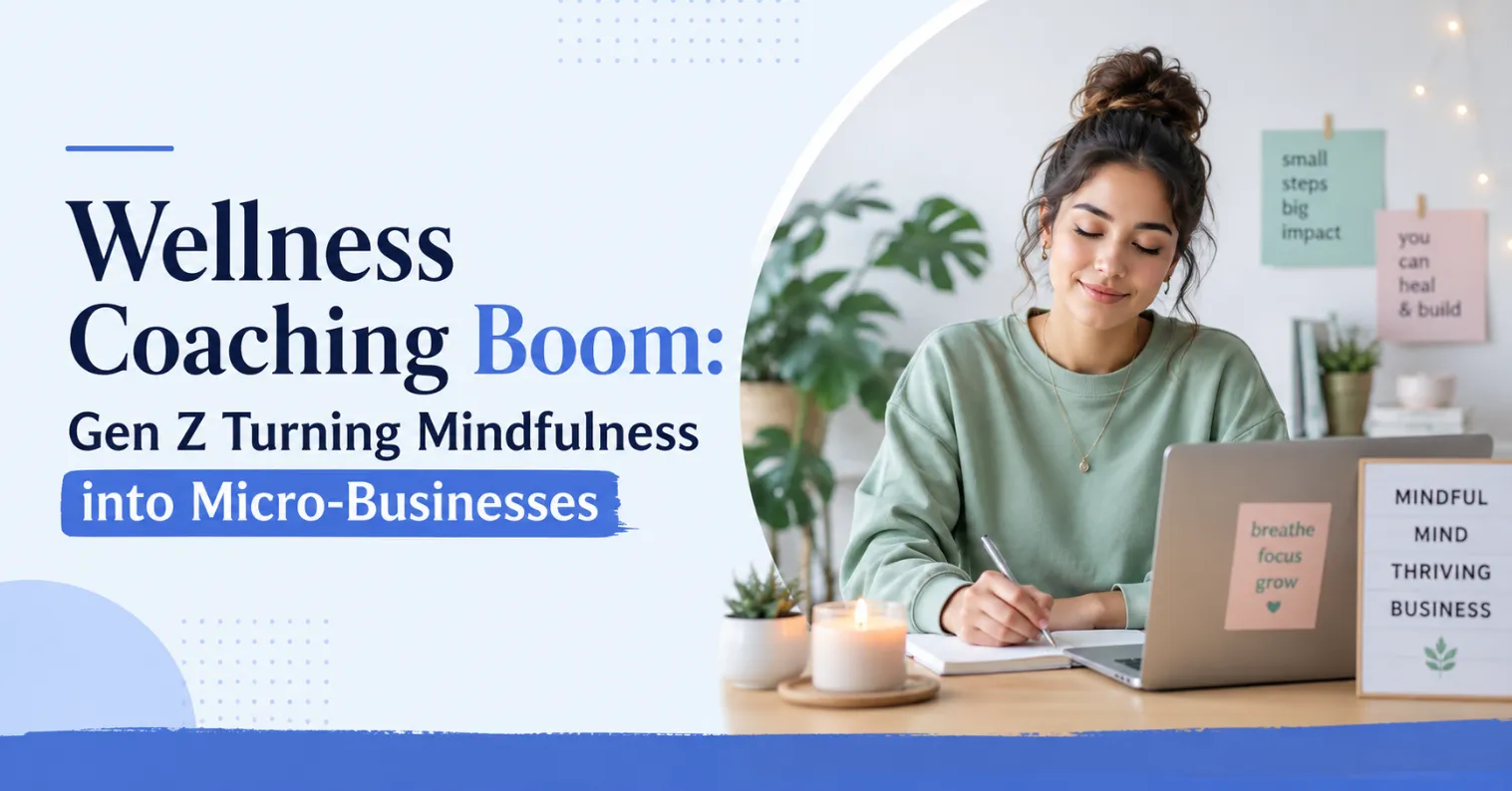
In the bustling co-working spaces of Bengaluru and the serene cafes of Mumbai, a quiet revolution unfolded through the early weeks of June 2026. Young professionals, many still in their early twenties, traded corporate ladders for something more personal: guiding others toward balance in a world that rarely slows down. The wellness coaching sector, now valued at an estimated $4.4 billion in the United States alone with steady global growth, found fresh energy from Gen Z entrepreneurs who grew up navigating digital overload and pandemic-era uncertainty.
Take Priya Sharma, a 24-year-old former marketing executive from Delhi. Early in the month, she quietly launched her micro-coaching practice from a small home setup, focusing on short, mindful breathing sessions tailored for late-night workers. What started as informal Instagram Lives during her own burnout recovery quickly drew a steady stream of clients, young software engineers and content creators seeking natural ways to sustain energy without stimulants. Priya’s approach blended simple practices like hydration rituals and movement breaks with one-on-one virtual check-ins, and by mid-June, her waitlist had grown beyond her expectations.
Across the country in Surat, another story gained attention. A group of college friends, inspired by their own fitness journeys, formed a collective offering pop-up wellness retreats that combined swimming sessions with guided mindfulness circles. Their June events, held in partnership with local gyms, attracted participants eager for community experiences that felt authentic rather than algorithmic. Word spread through personal networks and short video clips, turning what began as weekend experiments into a budding micro-business with repeat attendees and emerging corporate inquiries.
The momentum extended beyond India. In the United States, similar narratives played out as Gen Z coaches leaned into personalization. Reports circulating in early June highlighted how young founders used AI tools not as replacements for human connection, but as aids to customize sessions analyzing client preferences for everything from protein-focused snacks to breathing techniques that fit erratic schedules. One 26-year-old in New York built a modest subscription model around weekly audio guides and virtual group sessions, drawing participants who appreciated the blend of technology and genuine empathy.
These stories reflect a broader shift visible throughout the month. As Gen Z entered the workforce in greater numbers, many brought firsthand experience with stress management and emotional awareness. They channeled this into small-scale ventures that emphasized real interactions over polished marketing. In Bengaluru’s startup circles, whispers of hybrid models emerged; coaches pairing in-person yoga elements with digital tools for remote clients while in smaller towns, local influencers hosted intimate workshops that doubled as community gatherings.
By late June, the pattern was clear. What once seemed like niche interests in mindfulness and fitness had matured into viable micro-enterprises. Founders like Priya and the Surat collective operated leanly, often bootstrapping with minimal overhead while focusing on word-of-mouth growth. Their clients, mostly peers facing similar pressures, responded to the relatability. Sessions frequently extended beyond traditional wellness, touching on work-life rhythms that resonated in a 24/7 digital economy.
The wellness coaching boom of June 2026 stands as a testament to a generation crafting opportunities from lived realities. Through quiet persistence and authentic storytelling, these young entrepreneurs carved spaces where balance became not just an aspiration, but a shared practice- one mindful step at a time. As the month drew to a close, their stories continued to ripple outward, inspiring others to explore similar paths in the evolving business landscape.